Learning About Plants: Day 2 (Easy Preschool At Home)
Now that the upstate New York snow is (fingers crossed!) completely behind us, we’ve turned our preschool focus to learning about plants. On Day 2 we incorporated a bit of math into our lessons, in addition to our ‘usual’ activities. Check out the rest of this post to see how we spent the day learning about plants, flowers, and seeds.
Disclosure: This post contains affiliate links. If you make a purchase through a link in this post, I may earn a small commission at no additional cost to you.
LEARNING ABOUT PLANTS, FLOWERS, + SEEDS: WEEK 2 dAY 2
Flowers, Plants, and Seeds: Day 2 Ideas
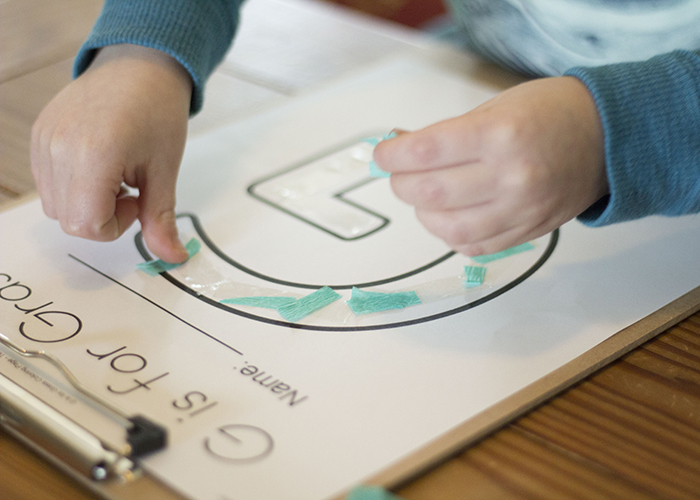
Letter of the day:
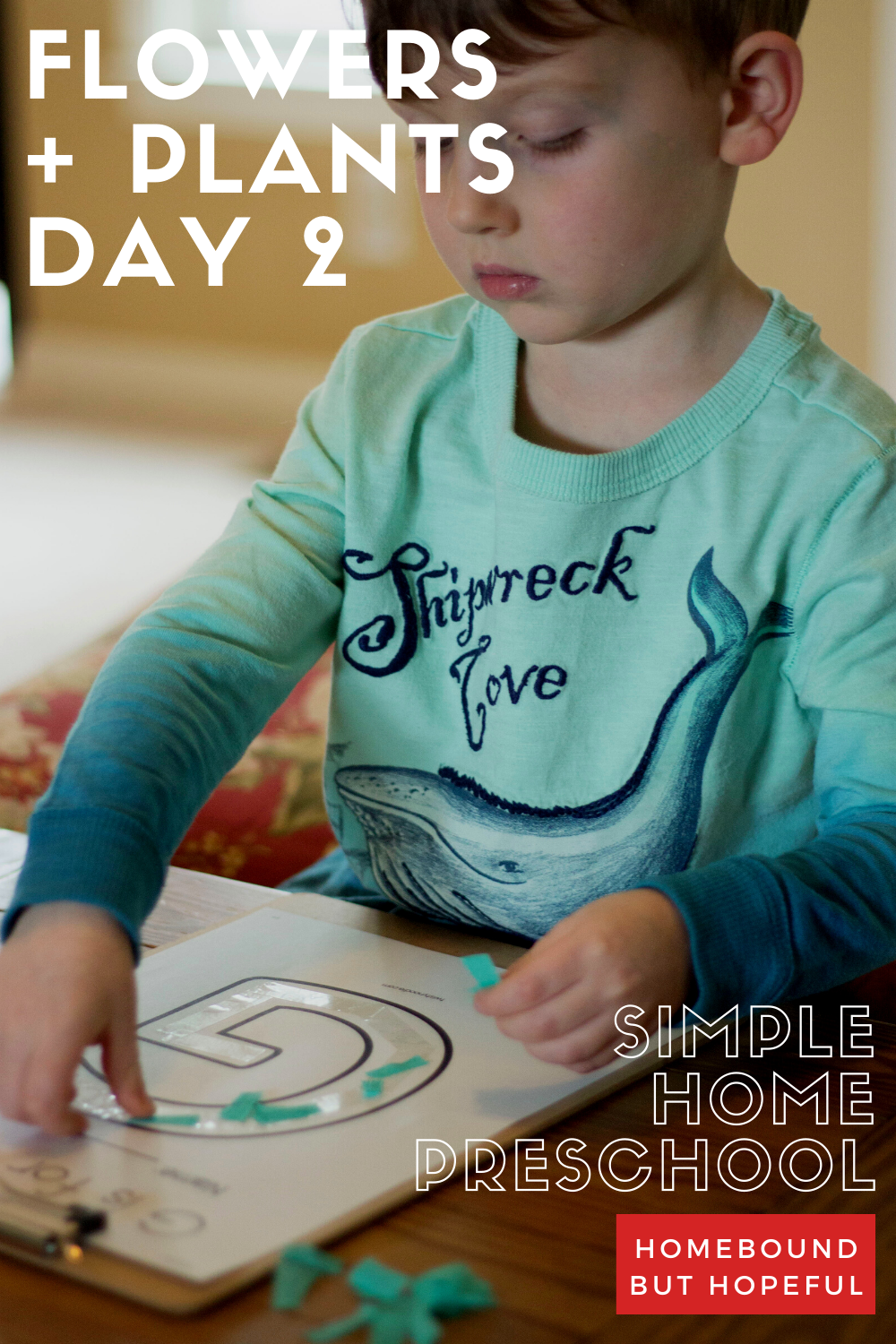
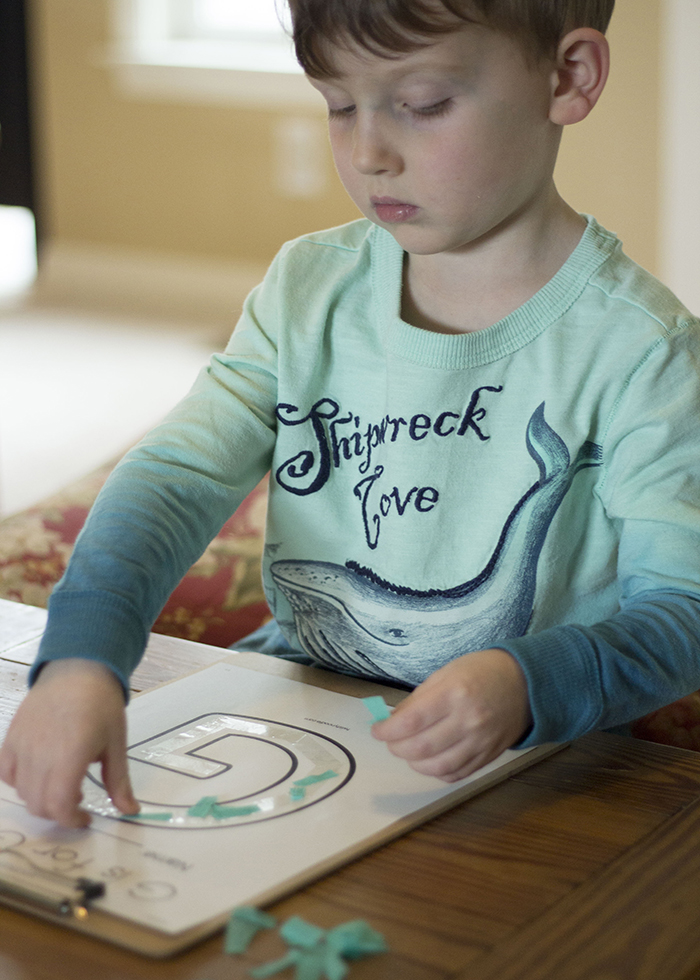
G is for grass. I created a simple free printable ‘G is for Grass’ page on Twisty Noodle. We cut some thin strips of ‘crinkly grass’ from a roll of green crepe paper. My son attached the paper grass to the page using double sided tape.
Word of the day:
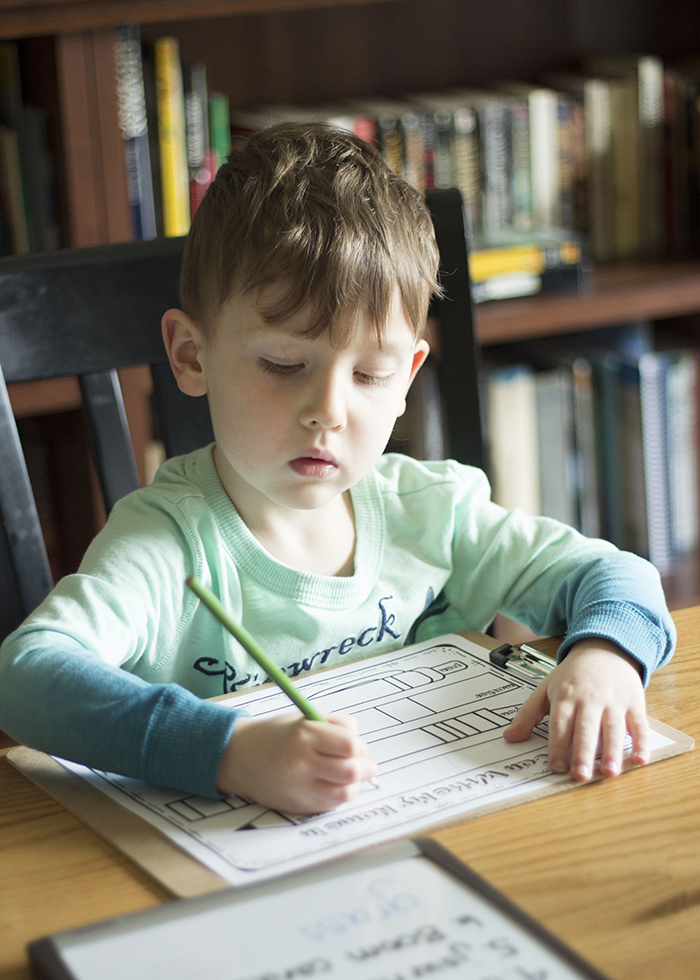
Instead of working on his name, my kiddo wrote ‘grass’ with 4 different writing instruments. (I grabbed that printable page from First And Kinder Blue SKies on Teachers Pay Teachers!)
Book of the day:
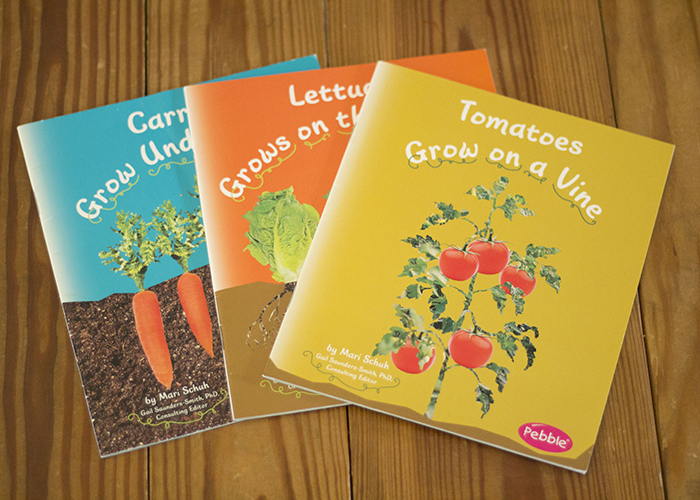
Today, we read a trio of books about vegetables. You’ll notice that because we read more than usual today, I kept the number of activities I chose for learning about plants very minimal. You’ve gotta know your limits when it comes to a 4 year old’s attention span and patience!
- Carrots Grow Underground.
- Tomatoes Grow On A Vine.
- Lettuce Grows On The Ground.
By Mari Schuh. Gail Saunders-Smith, PhD, Consulting Editor.
Journal prompt of the day:
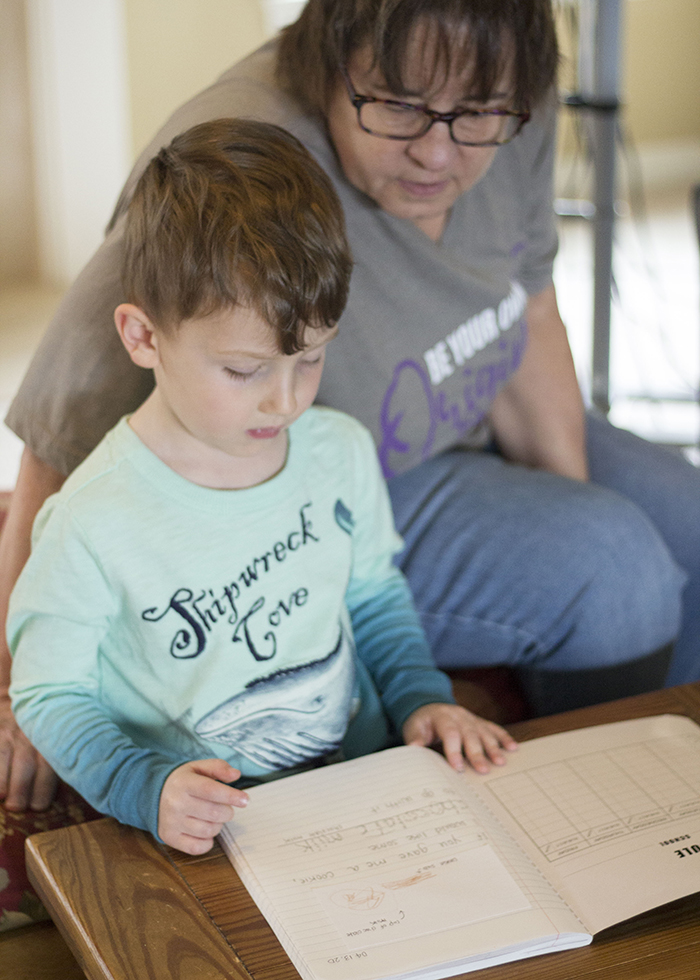
My favorite kind of vegetable to eat is…
Activities and play we enjoyed:
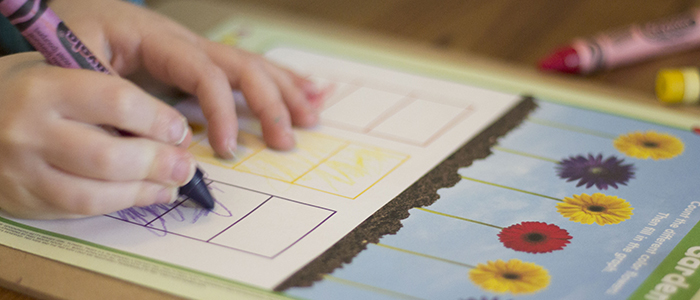
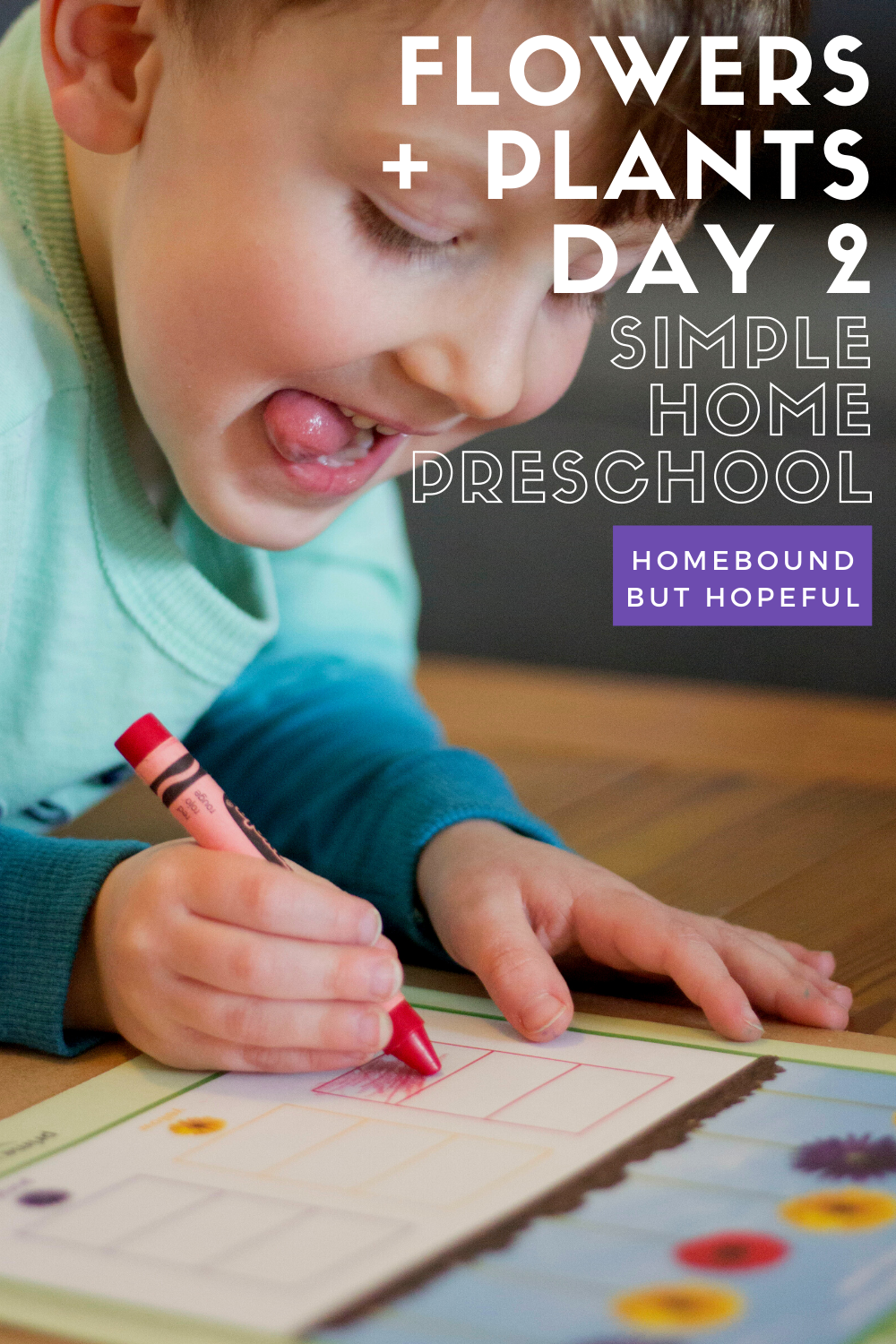
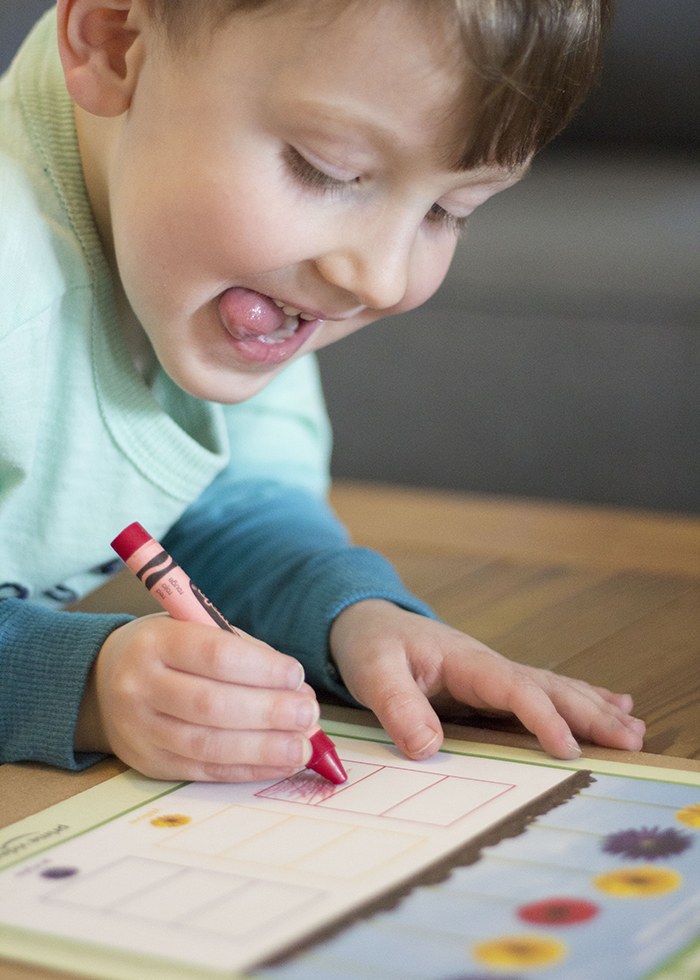
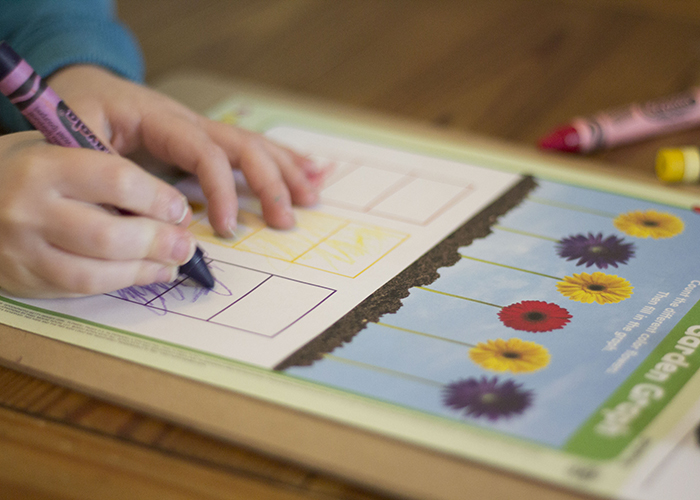
Our UPK teacher mailed a package with some learning materials a few weeks ago. It included a Scholastic My Big World for learning about plants and flowers. I pulled it out for Day 2, since the topic was perfect. The issue included another fun plant song to sing together, which he loved. The back featured some simple graphing practice, which also incorporated a bit of counting and fine motor work as well. My son completed that page, and we talked about all the information the graph showed us.
YOU MAY NEED THESE FOR LEARNING ABOUT PLANTS, FLOWERS, + SEEDS…
colored pencils / crayons / markers / transparent tape / pens / scissors / pencils / double sided tape / composition notebook / index cards / green crepe paper
But PLEASE Remember…
This is what is working for us during the pandemic, for the time being. It may seem overwhelming to your family to attempt anything like this. Or if you’re like me, you may welcome a little structure in your days. It’s important for you to consider the needs, emotional health, and learning styles of your entire family, and make adjustments as needed. The goal is NEVER more stress, more comparisons, or more guilt.
Keeping the above in mind, here’s a little bit more about our process…
- We’re aiming for about an hour of ‘school-ish’ work a day. This might included coloring, painting, writing, drawing, stickers, and more. My 4 year old is used to attending UPK for two and a half hours a day, 5 days a week, so 1 hour seemed like a good starting point at home.
- I build a ton of breaks and flexibility into our days and weeks. I plan 5 days of ‘school’ each week, and we generally accomplish all the activities by stretching them out over 7 total days. Some Wednesdays, we just can’t do school. So we’ll make it up later, if we can. Again, the goal isn’t stress or pressure, so flexibility is key.
- Variety is helpful for my kiddo. His attention span is short, so most of what I plan is quick, and we change styles of learning often. You know what will work best for your own families.
- Our journal is simply a basic notebook. Every day, I provide a prompt, and my child draws a picture on a blank index card. I tape that into the notebook, and write most of the prompt. At least one or two words are written larger, in dots, so my son can trace them.
- I have a pretty well stocked supply of craft and learning materials already, and know that may not be the case for you. Be creative, be flexible, and be open to compromise! We also have a large home library for the kids, which is very helpful right now!